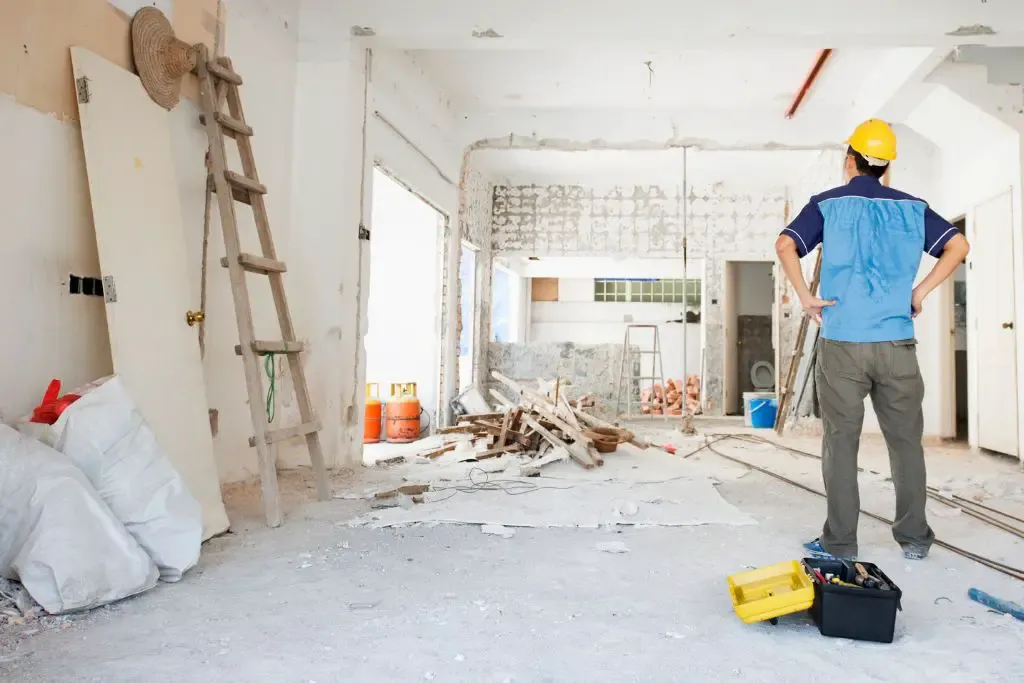
Renovations have to be done from time to time, but what a mess they can make in the home.
Your home renovation project will take some time and leave at least part of your home unusable for that period.

Renovations have to be done from time to time, but what a mess they can make in the home.
Your home renovation project will take some time and leave at least part of your home unusable for that period.
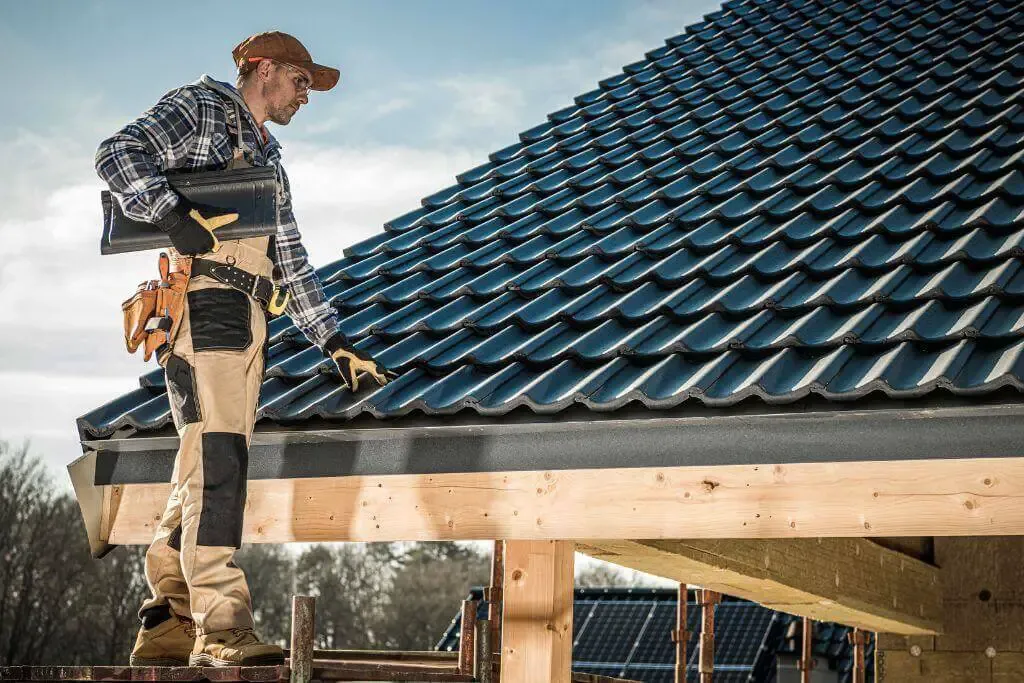
It’s possible that you need a new roof. Although purchasing a new roof might be expensive, there are methods to cut costs.
We’ll give you some advice on how to cut costs on your new roof in this article.
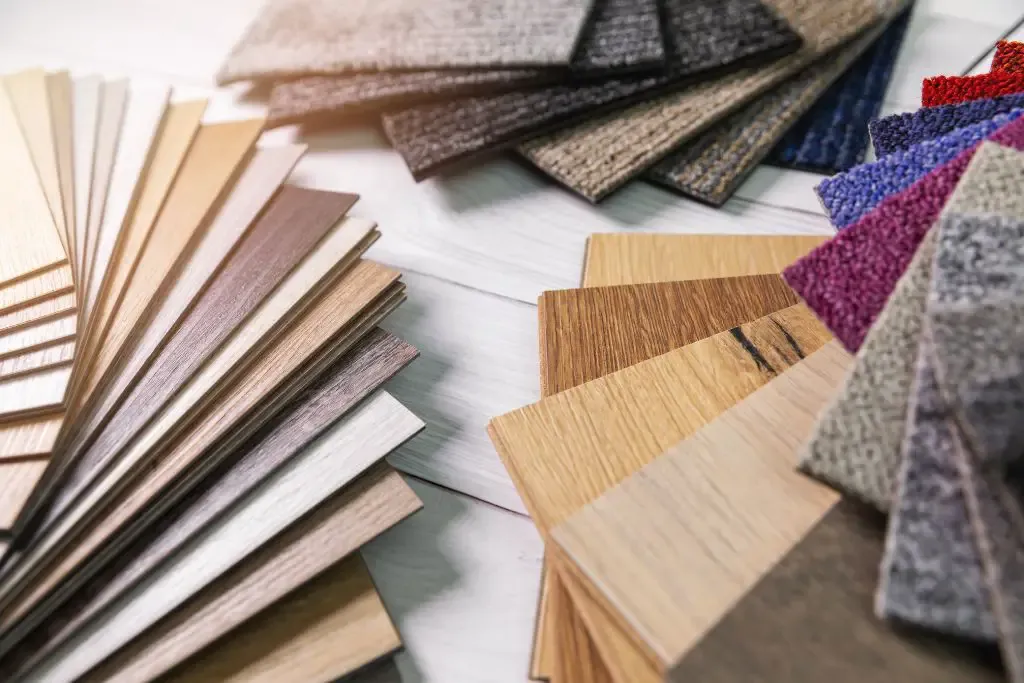
There are many different factors to consider when choosing the right flooring material for your home. You want something that is beautiful and will last for years.
You also need to think about the climate and how the floor will hold up in different conditions.
In this article, we will discuss some of the most popular flooring materials and how to choose the right one for your home!
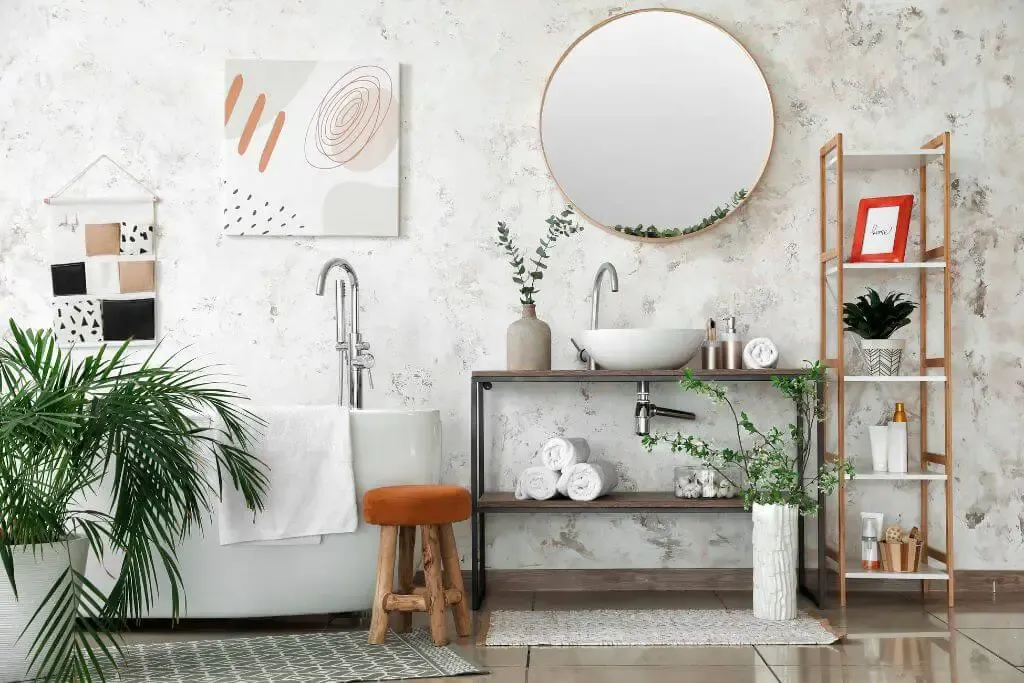
A messy and dirty bathroom can ruin the look and feel of the entire home.
A lot of people struggle when it comes to improving their bathrooms because they are relying on the same old fixtures and fittings.
Having a nice and clean bathroom is great but there is so much you can do to make this space look more attractive.

When it comes to safety in the home, there are a few essential things you can do to help prevent injuries.
This article will discuss tips for improving safety in your home, common injury hotspots, and how housing types may impact the type of injuries that occur.
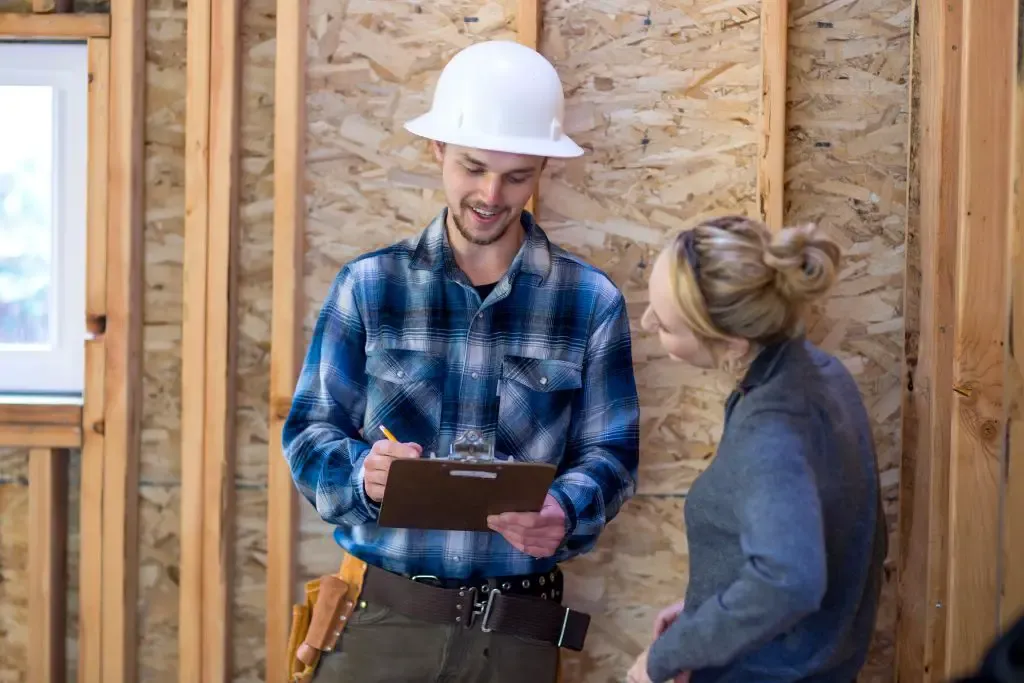
So, you’ve decided to renovate and remodel your basement!
Whether you’re doing it to enhance the resale value of your home, or you just have a passion project that you wish to see realized.
It’s important to make sure your basement project is done the right way.
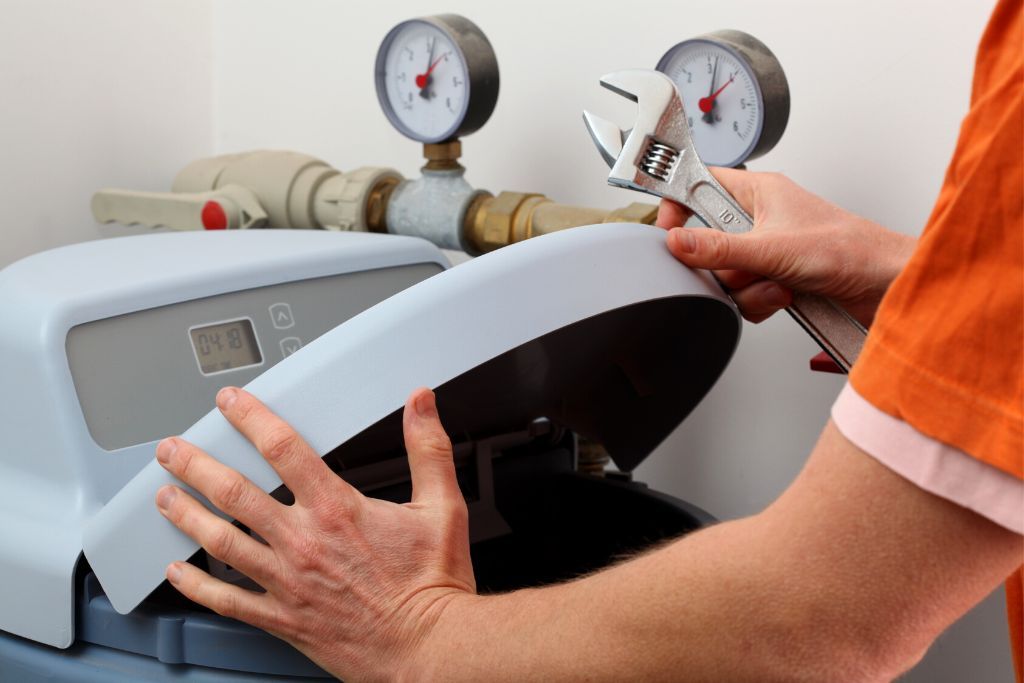
Softening the water in your home is a relatively simple process that can have some pretty profound effects on your comfort and cleanliness.
The following will explore a few reasons why installing a water softener system in your home might be the right move for you as well as examine a few indicators that you have hard water.
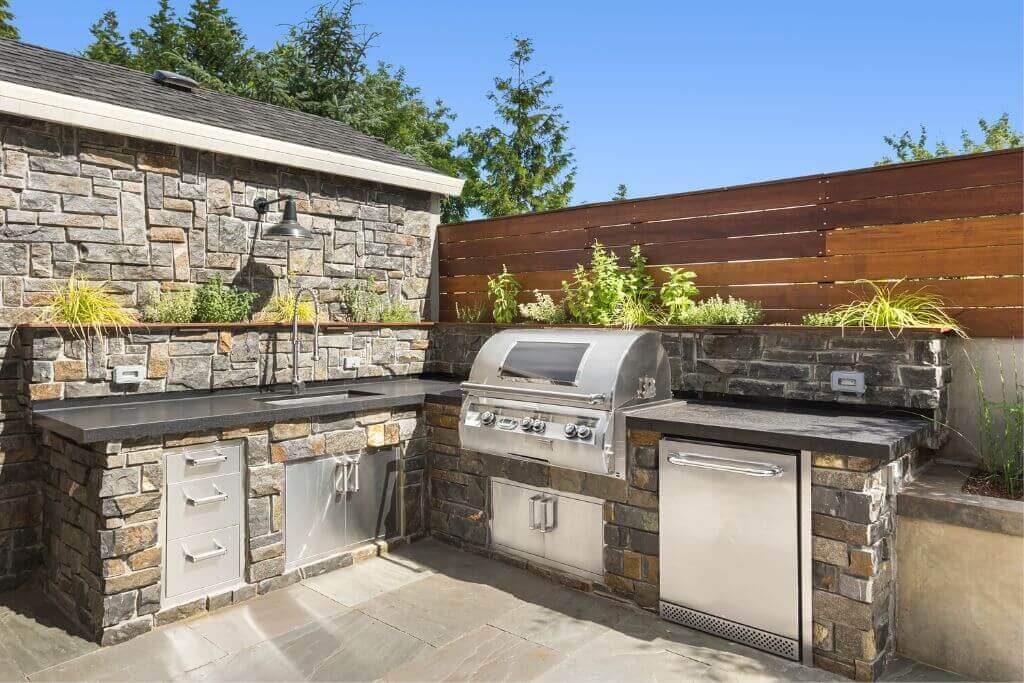
If you are a homeowner and are fortunate enough to have your own backyard, then there’s a lot that you can do with it.
One of the most enjoyable things one can do with one’s backyard is to transform it into an outdoor kitchen.
With summer fast approaching, remodeling your backyard and adding cooking equipment could make it the perfect place to hold get-togethers and parties.

Are you feeling bored with the look of your home interior? Are you looking for a way to add a bit of excitement without spending a lot of money?
In this article, we will discuss simple details that can easily transform the look of your home interior.

Moving into a house can be exciting, but putting safety measures to keep your family and belongings secure should be a top priority.
No one wants to think about their home being broken into, but unfortunately, it is a risk that many homeowners face.
